Volunteering and educational trips for schools
We plan educational trips abroad lasting a week or more, with volunteering, time with local communities, preparation for students and practical support.
Find out what we organise, how we work and what we need to help plan a trip for your school.
This guide is for teachers, academic coordinators, representatives, parents and school leaders considering an educational trip with HeyLocals.
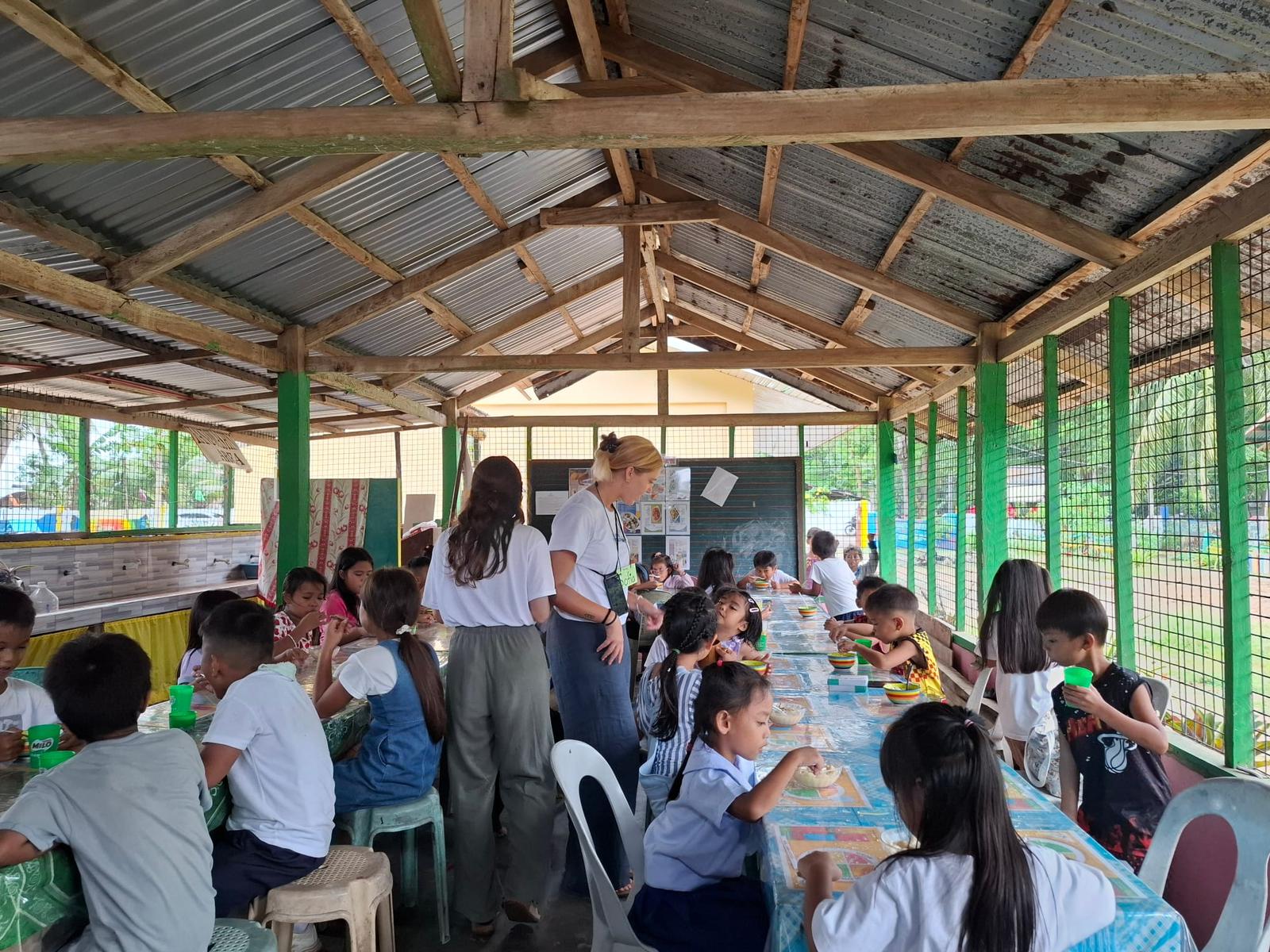
What we offer
A school trip that takes learning further: preparation before leaving, practical experience abroad and reflection afterwards.
We plan volunteering and educational trips abroad for schools and private educational institutions, including individual classes, mixed groups and extracurricular programmes. Each proposal starts with your learning goals, students’ ages, dates, group size and supervision needs.
Students learn what the project needs, where they can contribute and what their role involves, with clear limits and responsibilities.
Who it’s for
A well-planned trip needs to work for students, families, teachers and school organisers alike.
They join a project, work as a group, build independence and take responsibility while discovering different cultures and communities.
They can connect a clear programme to learning goals, civic education, work-related learning or careers guidance.
They receive information on accommodation, programme, safety, documents, insurance and support contacts.
It reviews the proposal, dates, roles, responsibilities and practical arrangements before booking.
.jpg)
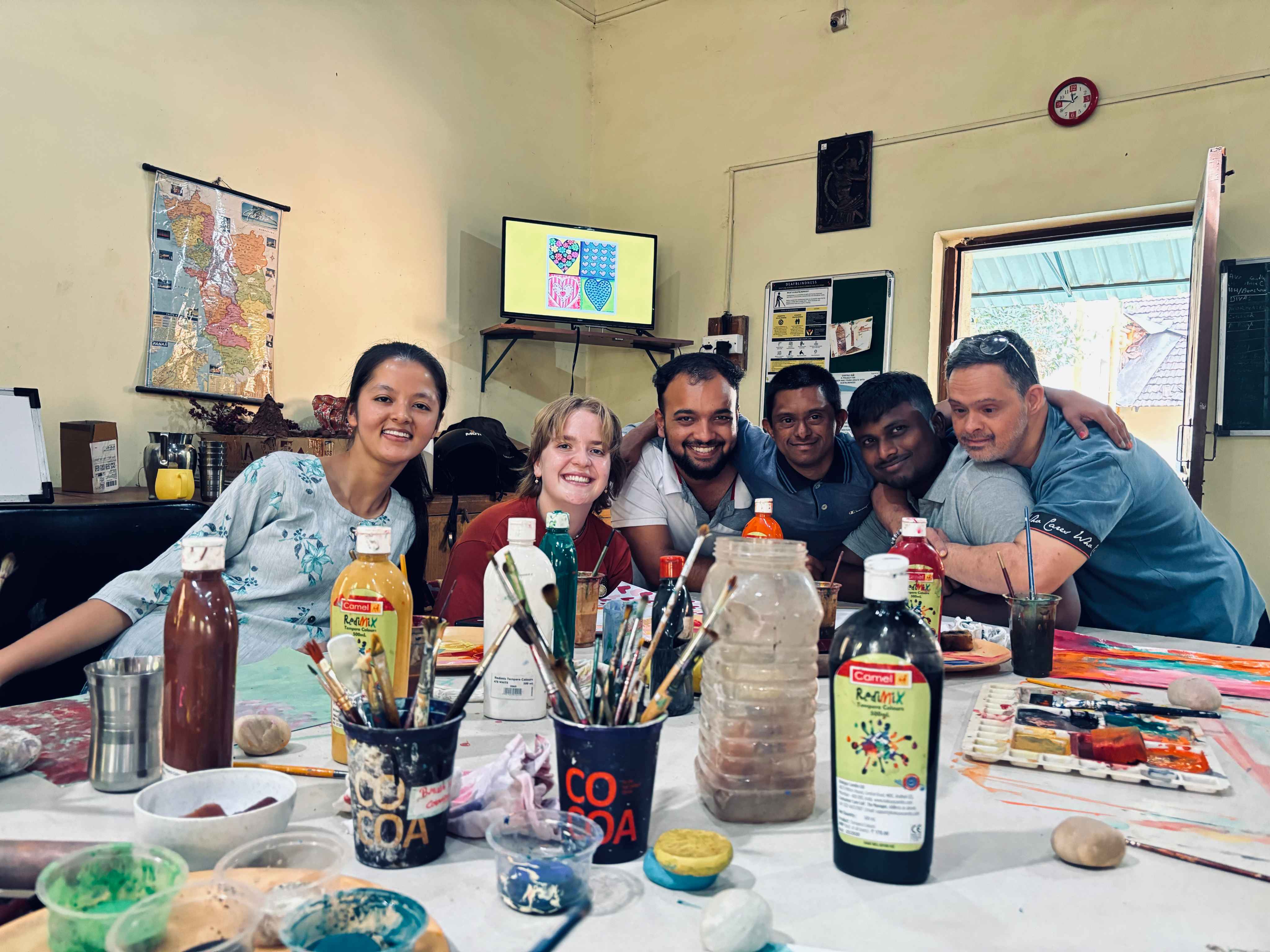
How we organise it
It starts with a conversation about your group.
We take time to understand what will work for your group. If a destination, activity or trip length doesn’t suit your needs, we’ll say so and suggest better options.
Learning goals, ages, student numbers, dates, approximate budget and the school’s needs and expectations.
Destination, activities, duration, accommodation, support contacts, logistics and arrangements to agree with the school.
Meeting with students, families and teachers about programme, rules, documents and behaviour.
A planned programme and daily routine, with local contacts and clear ways to get support.
We can help students share what they’ve learned through reflection, certificates, stories, debriefs and materials about the project for the wider school community.
Programme and educational goals
The trip can support civic education, careers guidance, work-related learning, global citizenship, sustainability, languages and learning across cultures.
Every school has different goals. You might want to build confidence and teamwork, or focus on work-related learning, environmental education, cooperation, languages or community service. We’ll explore those goals together to find the right fit.
Activities with schools, centres, communities or local programmes, always in a support role with staff present.
Experiences connected to conservation, agriculture, biodiversity, local environment or environmental education.
Time for discussion, cultural briefings, group activities and reflection on the experience.
We can provide the programme, goals, activities, participation certificate and reflection materials. The school remains responsible for agreements, recognised hours and validation.
Scroll the table to the right to read everything.
| Information to share | Why we need it | Example |
|---|---|---|
| Age and school year | Helps us assess independence, documents, rules and suitable activities. | Third year secondary school, mixed group aged 16-17. |
| Dates and length of stay | Affects project availability, flights, weather, schedules and the pace of the trip. | One week in March, or 10-14 days in summer. |
| Educational goal | Helps us choose activities and reflection that match the school’s learning goals. | Civic education, work-related learning, sustainability, language, careers guidance. |
| Number of students | Needed for logistics, accommodation, support contacts, transport and activities. | 15 students and 2 accompanying teachers. |
| Specific needs | We need to review health, dietary and accessibility needs, and required documents, in advance. | Allergies, educational needs, medication, dietary requirements. |
Costs and what affects them
To give a useful price, we need to understand your group, dates and goals.
Your proposal should be easy to understand, compare and share. We break down the main costs and help your school see what affects the budget.
- Destination, season and flight availability
- Programme duration and number of students
- Accommodation, meals and local transport
- Activities, support contacts, supervision and materials
- Insurance, documents and specific needs
- What’s included and what costs extra
- Roles of school, families and HeyLocals
- Deadlines, deposits and booking conditions
- Any extras linked to health, accessibility or logistics
- Useful materials for presenting the trip to families and school leaders
After the initial brief, we can give you a realistic price range based on your group’s needs, so you have a useful starting point for planning.
Safety and support
Your school needs clear safety arrangements it can understand and assess.
Every proposal must explain accommodation, transport, support contacts, rules, insurance, documents, activities and students’ role limits. This gives families and school leaders the information they need to assess the trip.
- Programme and planned activities
- Accommodation, meals and local transport
- Local contacts and partner organisations
- Rules, code of conduct and role limits
- Information on insurance and documents
- Roles of teachers, support contacts and accompanying adults
- Communication with families and school
- How to handle unexpected problems, health issues and journeys home
- Permissions for under-18s
- Specific needs of the group
Itinerary, activities, daily routine, preparation sessions and the limits of students’ roles.
Accommodation, transport, meals, local support, useful contacts and practical guidance for the group.
What to do about health issues, insurance, emergencies and journeys home, and how we keep schools and families informed.
Clear information to help school leaders, teachers, students and parents understand the trip.
More context: to understand how we work, we also recommend looking at the active projects, the documents and families section on this page and the before you go page.
Documents, families and communication
A good proposal should make sense to everyone, including people who weren’t at the first meeting.
We recommend an information session for students and families covering the programme, goals, rules, documents, insurance, accommodation and support contacts. Clear information before leaving helps everyone know what to expect.
.jpeg)
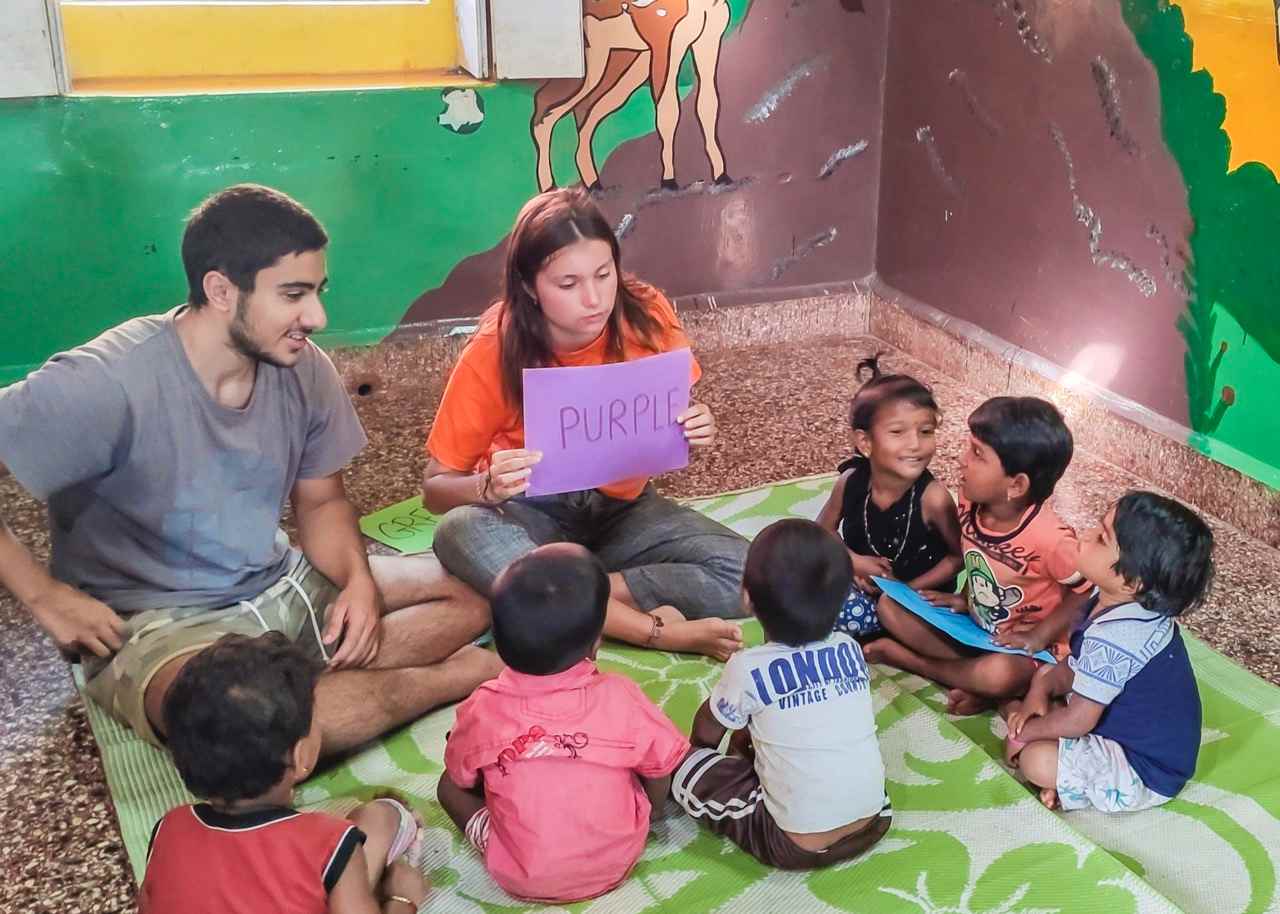
Groups with under-18s need the required permissions, specific communication arrangements and careful checks of the destination, accommodation, supervision and activities. Some trips won’t suit every age, so we’ll discuss this at the start.
Your school needs a plan it can assess.
See whether the trip suits your students, understand how it’s organised and know what you’ll need to share with families and school leaders.
Ask for an initial proposal See HeyLocals projectsFrequently asked questions from schools
Request information
Tell us your role, school, possible dates and learning goals. We’ll explore whether we can plan a suitable trip for your students, with a proposal you can share with families and school leaders.
You can share this page with representatives, teachers, school leaders, parents or interested students. We only need a few practical details to start exploring your options.
Useful links to share: projects, documents and families, before you go, student questionnaire.
Contact the schools team
You don’t need every detail decided. Tell us a little about your group and we’ll help you work out whether the trip is feasible and which format fits best.