5 Volunteer Travel Programs: How to Vet Partners and Fees
Compare five volunteer travel programs in Asia, Africa and Latin America, and learn how to vet local partners, read fees and judge suitability.
Choosing a destination first is popular advice for volunteer travel. It's also a poor way to judge a placement. A beautiful coastline, an appealing guesthouse and enthusiastic reviews don't tell you whether a school needs your help or a clinic can use your training safely.
A placement is not automatically a good one. Many volunteer travel programs look similar online, yet the useful differences sit behind the photographs: who manages the work, what your payment covers and whether you can communicate well enough to do the assigned tasks.
Compare these placements as working arrangements, not holiday packages. Education, dental care, shelter work, medical support and meal service each demand something different. For families, students, educators and solo travellers alike, the strongest choice is the one where local staff can explain your role clearly, including its limits, before you commit.
Table of Contents
1. School volunteering in Watamu
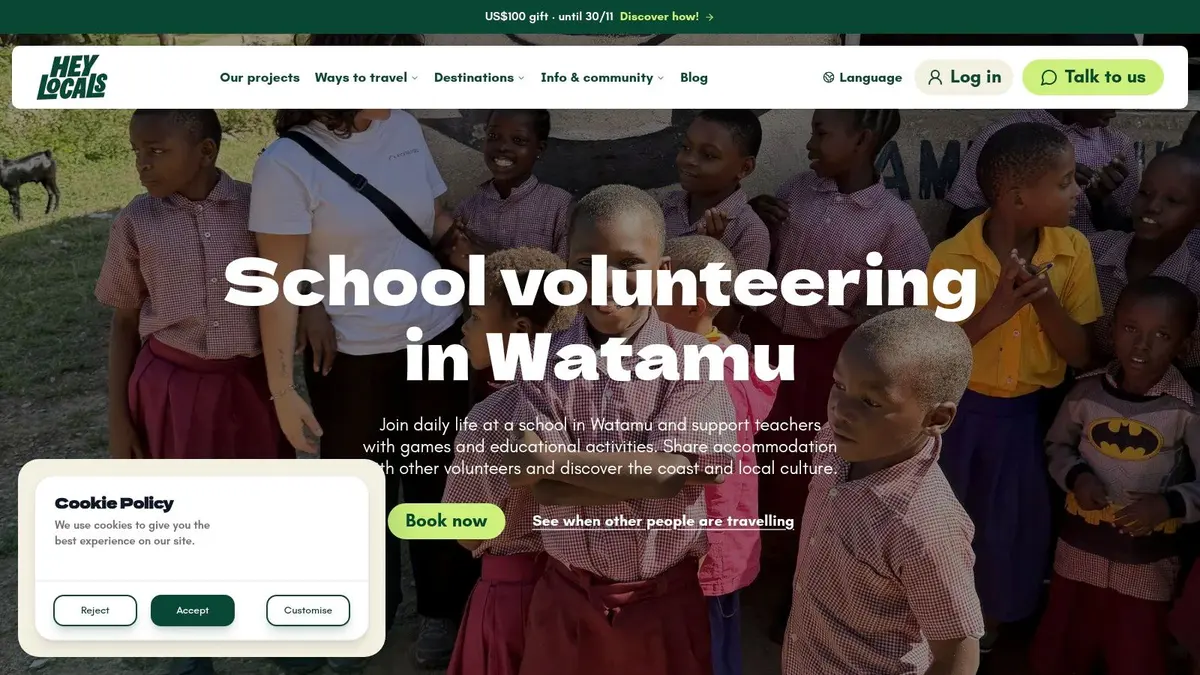
Best suited to patient classroom helpers and educators who can follow a teacher's plan. The School volunteering in Watamu placement involves joining a school, choosing an age group with the team and supporting games, stories and learning, with a volunteer guesthouse as your base.
That description gives you a starting point, not permission to run a classroom. The important distinction is between helping a teacher deliver an existing lesson and becoming the teacher because you speak English. Support should reinforce the school's routine, not require children to adapt to each arriving volunteer.
Verify the school and its supervision
Establish the school's name, who leads it and which staff member assigns your activities. We work with local organisations on activities that already exist, and local coordinators guide volunteers on location. For this placement, turn that process into a clear understanding of who supervises you inside the classroom.
Child safeguarding deserves more attention than lesson ideas. The ECPAT expert paper on international volunteering and child sexual abuse identifies risks associated with unqualified or unsupervised volunteers and children in residential care. A school label alone doesn't establish safe practice.
Contact boundaries: Establish rules for photography, private messaging, physical contact and being alone with a child.
Reporting: Know whom to contact if you notice a concern, including when the concern involves a supervisor.
Family participation: Confirm suitable tasks for each family member rather than assuming children can accompany adults throughout the working day.
Match the fee and the classroom role
Our fees help cover hosting costs, including accommodation, meals, activity organisation and support, with arrangements varying by destination. For Watamu, check the written inclusions for guesthouse accommodation, meals and transfers. Treat flights, insurance, visa costs, daily transport and coastal excursions as separate budget lines unless expressly included.
Your language level matters as much as your enthusiasm. Be ready to explain a game in plain terms, understand the teacher's instructions and stop an activity when asked. Qualified educators should share their teaching background beforehand; inexperienced volunteers should expect a supporting role.
Practical rule: Bring adaptable lesson ideas, not a replacement curriculum. Let the teacher decide what belongs in the classroom.
The trade-off is straightforward: this suits someone comfortable with repetition and limited autonomy. It's a poor fit if you expect to lead lessons immediately or measure success through children's affection.
2. Dental volunteering in San José
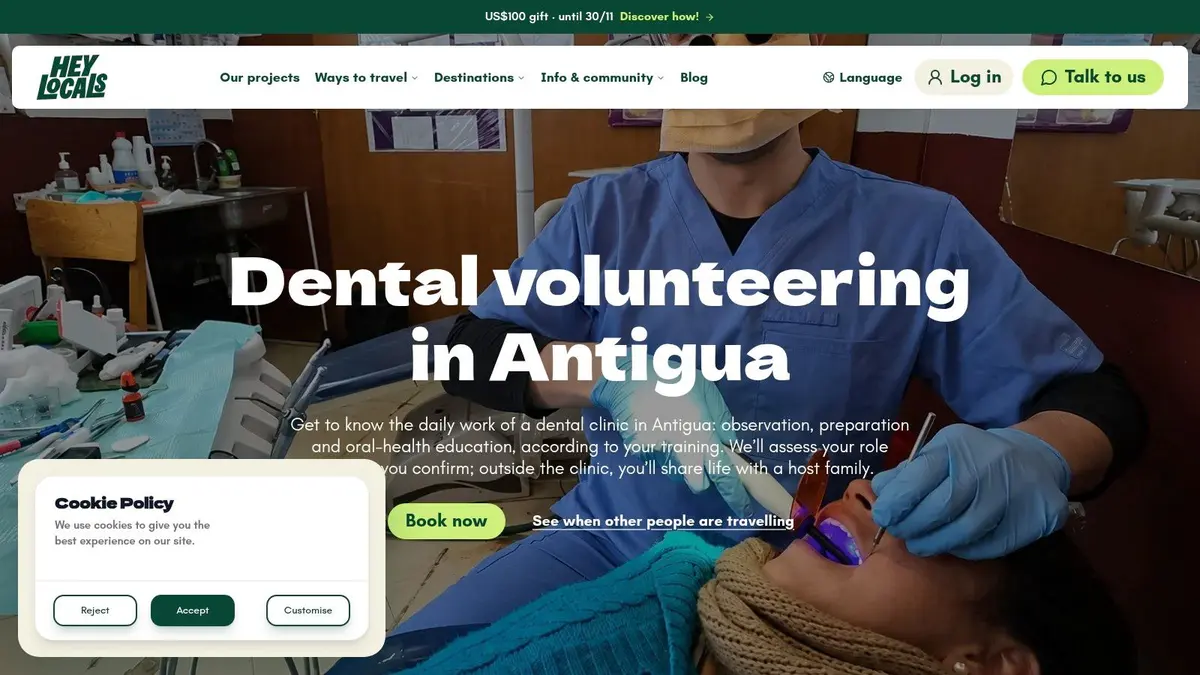
Watching a consultation, preparing instruments and explaining brushing techniques are three different jobs, and each demands different preparation. When reviewing the San José dental placement, establish the exact clinic location and host organisation before making travel arrangements. A destination heading tells you nothing about the clinical setting or what you will be allowed to do.
Your permitted role decides whether this placement works for you. Healthcare projects may require relevant studies or skills, so access to a clinic never implies authorisation to perform procedures. Treat chairside access as a privilege the supervising dentist controls, not a default.
Put the clinical boundaries in writing
We review participants' studies, experience and fit with the local organisation before arranging a placement. Submit your actual training stage and experience, not merely an interest in dentistry. A student's completed coursework doesn't automatically establish competence for every clinical task.
The useful document is a role description that distinguishes observation, supervised support and prohibited activities. It should identify the person responsible for supervising you and explain how patients can decline your presence.
Local partner: Confirm the clinic's identity, your supervisor and how volunteer activities fit around paid staff.
Skills and language: Establish whether you can understand instructions, recognise when you haven't understood and communicate without guessing. Basic English is generally required, but some clinical activities call for higher proficiency.
Patient privacy: Clarify access to records, photography restrictions and whether you may discuss cases in coursework.
A patient shouldn't receive a different standard of care because a visitor wants practical experience.
Check what your role means for preparation
A defined role shapes everything else you arrange. If your activities include any supervised clinical support, your insurance needs to cover those specific activities rather than a generic description of volunteering. Ask whether required workwear or protective equipment falls to you or the clinic, since that answer affects both your budget and your luggage.
Timing matters too. Confirm the host clinic and your agreed role before booking flights, and keep your application, placement confirmation and itinerary consistent. Mismatched documents create problems at exactly the wrong moment, usually at check-in or on your first day at the clinic.
The benefit is structured exposure to another working environment. Useful participation may remain observational, and that can still suit a student who wants to understand clinic organisation and patient communication. It won't suit someone who considers the trip worthwhile only if they can perform treatment.
3. Dog and cat shelter volunteering in Manuel Antonio
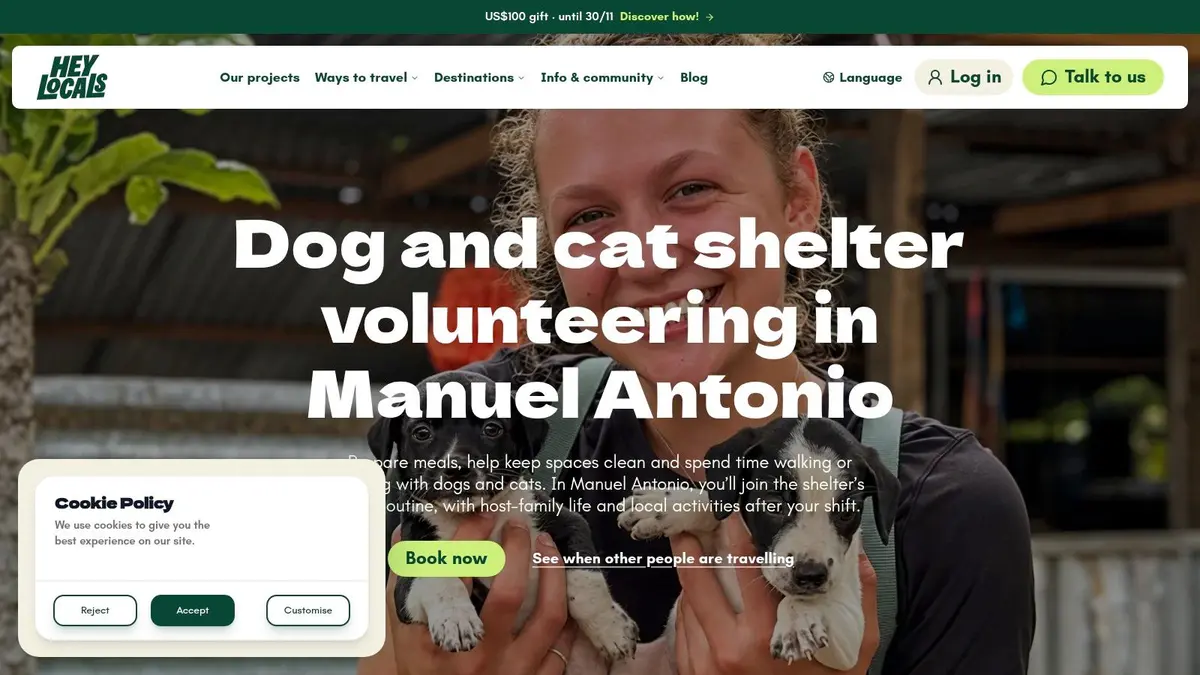
Animal volunteering works best when the routine comes before the romance. If your shift means washing bowls, preparing food and cleaning an enclosure before you walk a dog, accept that as the true shape of the work. The Manuel Antonio shelter placement details are the starting point. Still, check the receiving shelter, its daily routine and the tasks volunteers are allowed to perform.
Dogs and cats need consistent care, so your contribution should follow the staff's feeding, cleaning and handling instructions rather than your preferred way of interacting with animals. That matters more here than enthusiasm. Shelter animals can be stressed, unfamiliar or difficult to read, and staff decisions should control contact.
Look for an operating routine, not unrestricted access
Identify who manages the shelter, who trains newcomers and who decides which animals volunteers may handle. If an inexperienced visitor is kept from walking a particular dog, treat that limit as a safeguard. Washing bowls and cleaning enclosures before any dog walk is a practical example of how placements protect animals while still giving volunteers useful work.
The guide to how to volunteer with animals can help you consider the type of work you're prepared to do. For this placement, focus your preparation on domestic-animal care rather than expecting wildlife activities because the broader category includes conservation.
Handling: Establish leash procedures, enclosure-entry rules and what to do if an animal escapes.
Hygiene: Follow staff instructions on cleaning products, equipment separation and moving between animal areas.
Physical fit: Describe any limitations involving lifting, bending, walking or prolonged standing before your role is agreed.
Separate animal welfare from traveller enjoyment
You don't need advanced conversation to wash a bowl, but you do need to understand a warning. Practise the instructions relevant to your role, and repeat unfamiliar directions back before acting. For families, confirm whether suitable supervised tasks exist for younger participants rather than assuming every animal is safe to approach. Basic English is generally enough for many tasks, though you should check the language level required for the role before confirming it.
Fees need the same practical reading. Keep your accommodation, meals, volunteer placement, in-country coordination and airport transfers separate from the shelter's operating expenses. HeyLocals fees help cover the costs of hosting volunteers, including accommodation, meals, organising activities and the people who support volunteers while they are there. Arrangements vary by destination because each local organisation hosts volunteers according to its resources and the project's needs.
For this shelter placement, ask which cleaning products are supplied, whether work clothes are required, and whether laundry is available through the accommodation. Confirm who arranges transport between the accommodation and the shelter, and whether airport transfers fall on the start and end days of the placement. Keep those answers in writing before you budget for anything else.
This option suits people who value practical routine and can accept staff limits on contact. It's less suitable for anyone seeking constant cuddling, veterinary practice or an animal-rescue story to take home.
4. Medical volunteering in San José
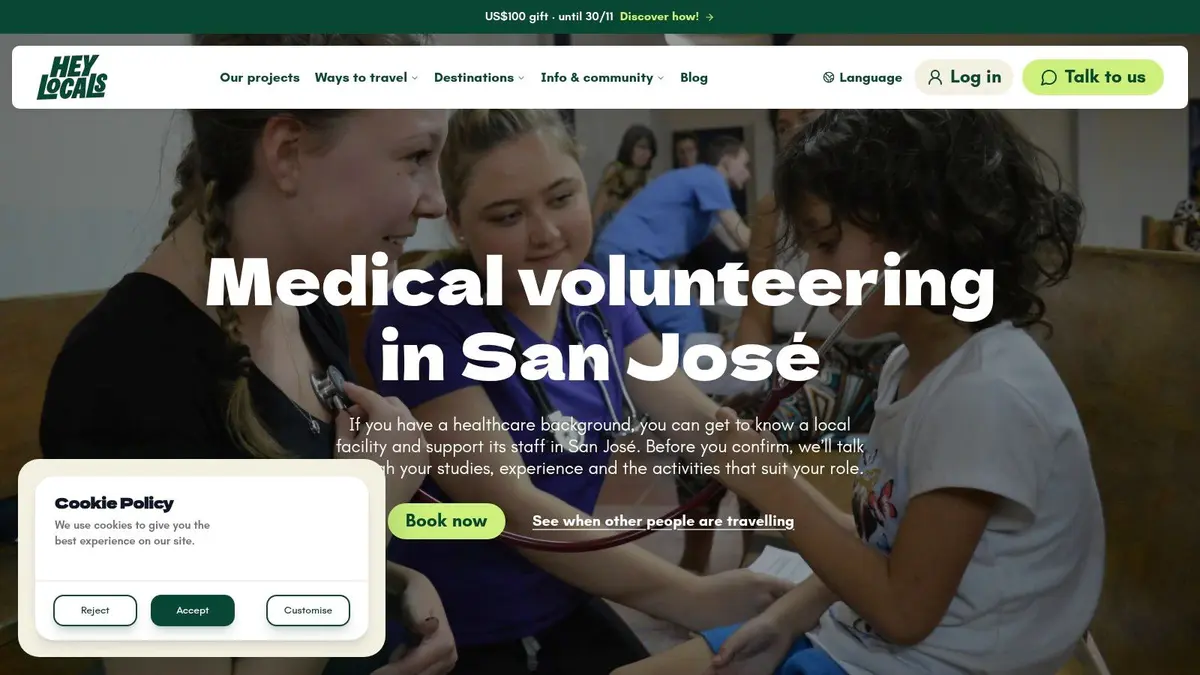
A healthcare background starts the suitability discussion. It doesn't settle it. For the San José medical placement, we discuss your studies, experience and suitable activities before you confirm. That conversation should establish what you can contribute without creating an additional burden for staff.
A qualified professional, an early-stage student and someone returning after a career break need different assignments. Describe your current capabilities precisely, including the tasks you perform confidently and those you haven't practised recently. Don't let a broad qualification stand in for a role-specific assessment.
Compare supervision before clinical exposure
The local facility should retain control over patient care and volunteer activities. Establish the facility's identity, your supervising staff member and how responsibilities change if that person is unavailable. An introduction to the team isn't the same as ongoing supervision.
Personal learning is a legitimate motivation, but it shouldn't determine patient access. A cross-continent study of international volunteer tourists found that personal development was participants' strongest motivation. Keep that desire separate from the facility's reason for accepting your help.
A useful boundary: If you can't understand an instruction reliably, pause and clarify it. Don't compensate for a language gap by guessing.
Nurses can use our guide to nurse volunteering abroad to prepare more focused questions about responsibilities. The same discipline applies across healthcare roles: clarify what you may observe, support or perform before the working day begins.
Check costs against the actual assignment
A placement fee doesn't establish eligibility to practise. Keep professional requirements, facility approval and travel arrangements as separate checks, and don't assume payment resolves any of them.
Fee coverage: Compare the written inclusions for accommodation, meals, transfers and coordination.
Additional preparation: Identify any required documentation, translations, clothing or health preparation and whether these involve separate costs.
Insurance: Describe the proposed activities accurately to your insurer and confirm the appropriate cover.
Language fit: Establish how you'll communicate with supervisors and whether patient-facing tasks require stronger proficiency.
This is the most skills-dependent option in the comparison. It can suit healthcare participants prepared to work within a narrow, locally agreed role. It's a weak choice for someone seeking guaranteed hands-on experience or assuming that professional status at home transfers automatically to another setting.
5. Volunteering at a soup kitchen in Seoul
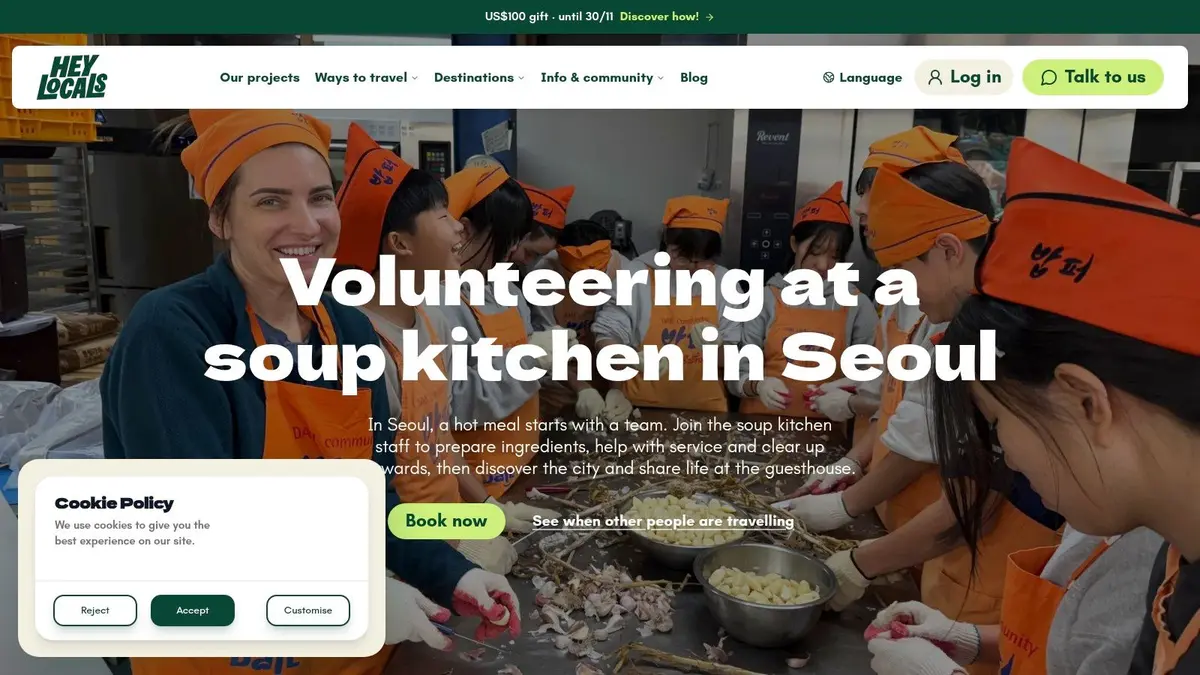
Meal service offers a different test of suitability: can you follow a team's routine without needing to lead it? Review the Seoul soup kitchen placement with that question in mind. Preparing ingredients, helping with service and clearing up call for reliability more than a dramatic personal mission.
The local partner matters more than the appeal of the city. Establish which organisation runs the kitchen, who coordinates volunteers and how tasks are assigned. We place volunteers in existing activities rather than building projects around their visits, so your role should fit an established service.
Check how the team protects dignity and safety
Food preparation needs clear instructions on hand hygiene, illness reporting, allergens and cleaning. Confirm which tasks require training and which you can undertake under supervision. If you don't understand a food-safety instruction, stop and have it explained.
Respect for diners matters just as much. Don't photograph people receiving meals or turn their circumstances into material for social media. Let staff guide conversations and explain how volunteers should respond to requests they can't meet.
Partner check: Identify the kitchen operator, shift leader and person responsible for concerns.
Language check: Confirm how instructions will be communicated during busy service periods.
Practical fit: Discuss standing, lifting, repetitive preparation and any adjustments you need.
Judge the fee and the benefit separately
Check the accommodation arrangement, included meals and transport to the kitchen. A meal-service placement doesn't itself mean your own meals are included, and guesthouse accommodation doesn't establish what other facilities are available. Our destination-specific arrangements determine inclusions, so use the written confirmation rather than assumptions.
For impact, distinguish work completed from benefit achieved. The review of volunteer-tourism impacts identifies limited evidence about long-term effects and recommends greater co-creation with host communities. Your useful contribution might be dependable preparation and clean-up, not a claim that your stay reduced food insecurity.
Our guide to travel for a purpose can help you reflect on your motivation. Then test that motivation against the ordinary work the kitchen needs.
This option may suit someone who prefers practical teamwork to classroom or clinical responsibilities. The trade-off is less control over tasks and potentially limited conversation with diners. Being useful doesn't always mean being at the centre of the interaction.
What each volunteer travel program offers at a glance
Use this table as a shortlisting tool, not a destination pitch. Each line points to a placement to verify through three checks: who the local partner is, what the fee covers and what it does not, and whether your skills and language level match the work.
| Item | Location | Focus area | Experience or skills needed | Check before committing | |---|---|---|---|---| | School volunteering in Watamu | Watamu | Education | Interest in sharing games, stories, and learning with children | Ask who runs the school placement, how activities are supervised, and how instructions are communicated. | | Dental volunteering in San José | San José | Healthcare | Role depends on dental training; activities are agreed in advance | Confirm the local partner, the clinical boundaries, and what the fee covers beyond the placement. | | Dog and cat shelter volunteering in Manuel Antonio | Manuel Antonio | Animals and local wildlife | Willingness to help with meals, cleaning, walks, and play | Check which shelter tasks are open to volunteers, who coordinates them, and what equipment is provided. | | Medical volunteering in San José | San José | Healthcare | Healthcare background; activities matched to studies and experience | Verify the in-country partner, the level of supervision, and whether your training fits the assigned work. | | Volunteering at a soup kitchen in Seoul | Seoul | Community projects | Teamwork and willingness to help with food preparation, service, and cleanup | Ask how the kitchen is organised, which meals are included, and what language is used during shifts. |
A practical rule: treat the focus area as the setting, not the job description. The useful work comes from the project already running, and the fit depends on local needs, your skills, and the language support in place.
Pick the placement, then check the partner
Start with the work you can do well. A teacher may contribute most in a supervised classroom, a healthcare student may fit a carefully bounded observational role, and a practical volunteer may be better suited to shelter cleaning or meal preparation. Most placements do not require previous volunteering experience, while healthcare projects may require relevant studies or skills. Basic English is generally required, with higher proficiency needed for some activities.
Then verify the receiving organisation before the destination. Ask who employs the coordinator, whether the activity runs when visitors are absent, and which safeguarding rules apply where projects involve children or adults at risk. A serious partner can describe its own vetting: written application, full CV, at least two verified references before placement, a values-based interview and verified identity.
Keep a written role description: expected activities, supervision, language requirements and boundaries. Add one question many travellers skip: when you leave, which tasks return to local staff, and how does the partner judge whether visitor help was useful? Put that answer beside the fee. Separate confirmed inclusions from flights, documentation, insurance, daily transport and leisure spending, then decide if the role still makes sense.
Traveller satisfaction shows whether a placement felt organised. Community benefit needs evidence from the receiving side. In a study of international volunteer-tourism organisations, 55.7% of one organisational sample assessed community-member satisfaction. Give local feedback a place in your decision alongside traveller reviews.
Use the Japan travel agency checklist for 2026 as a separate reference when considering broader trip arrangements. Keep the volunteering decision focused on the receiving organisation and your agreed responsibilities.
We support volunteers before, during and after travel, and we check suitability with the local organisation. Your part is to describe your abilities accurately and accept a narrower role when that is what the project needs. Choose the placement where your contribution makes sense without stretching your competence.
HeyLocals organises international volunteering trips with local organisations, helping travellers match their skills and interests to existing projects. Visit HeyLocals to explore placements and tell our team who's travelling, what you can offer and what support you need, so we can check the fit before arranging your trip.
In this article
- Table of Contents
- 1. School volunteering in Watamu
- 2. Dental volunteering in San José
- 3. Dog and cat shelter volunteering in Manuel Antonio
- 4. Medical volunteering in San José
- 5. Volunteering at a soup kitchen in Seoul
- What each volunteer travel program offers at a glance
- Pick the placement, then check the partner